
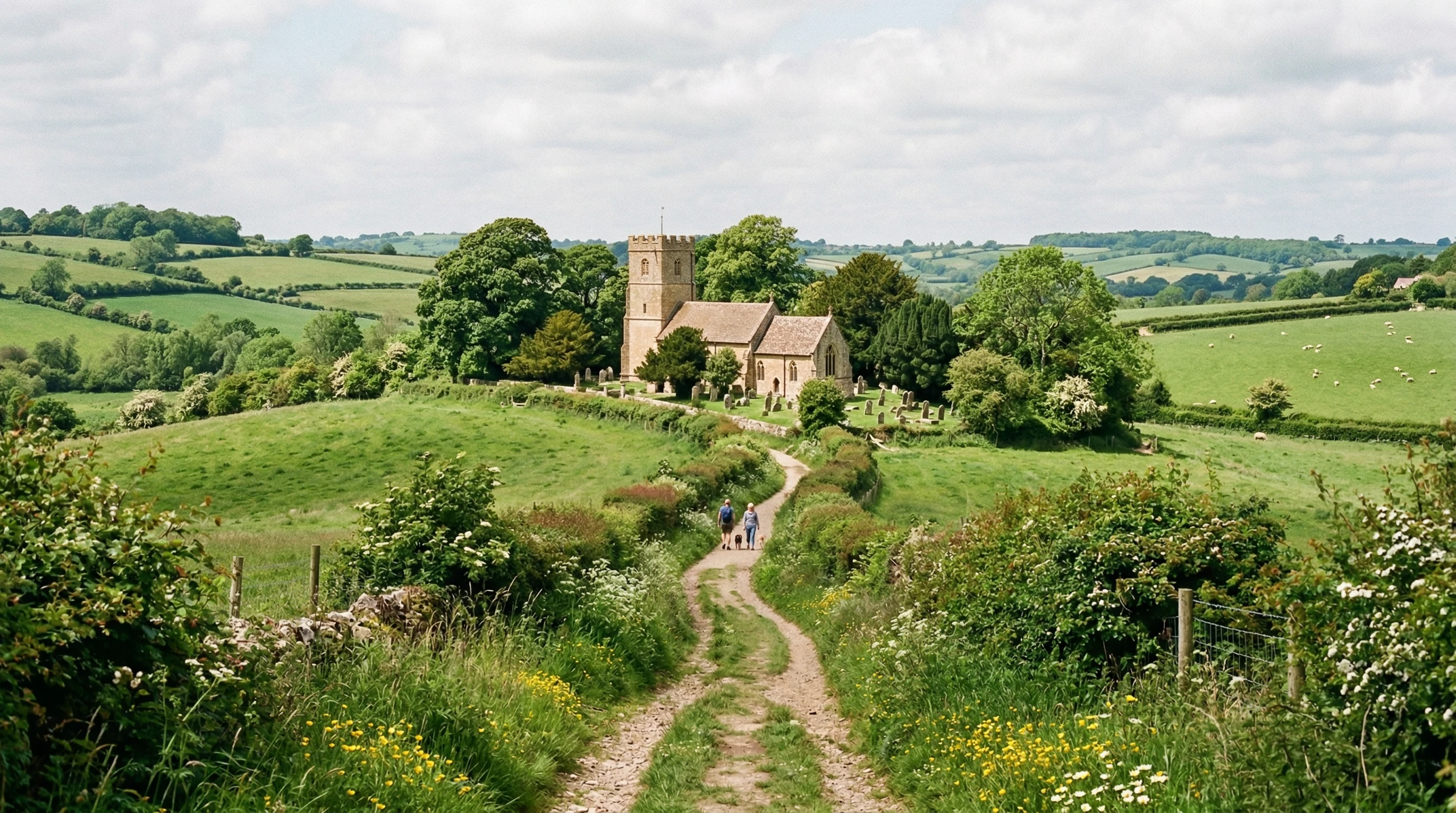
Pilgrimage routes in England blend stunning countryside, rich history, and moments for peace or reflection. Whether you want to pump up your step count, check out centuries-old stories, or just find a quiet path away from busy city life, you’ll find a route that suits you. I’ve spent plenty of weekends walking these paths, and something new always catches my eye—ancient churches, secret woodlands, and even a cozy tearoom to wrap things up at the end of the trail. I’m about to break down what makes England’s pilgrimage routes next-level cool, what you need to know to get started, and practical tips for first-timers.
Understanding Pilgrimage Routes in England
Pilgrimage in England isn’t just about religious journeys. Plenty of people walk these old paths for the challenge, to step away from busy routines, or simply to enjoy what locals call “a good stomp.” Still, most routes move along tracks worn by pilgrims searching for healing, adventure, forgiveness, or sometimes just out of curiosity. In fact, some of these paths have been in use for more than a thousand years.
The tradition traces back to the Middle Ages, when folks from all backgrounds traveled to holy sites like Canterbury Cathedral or the shrine of St. Cuthbert in Durham. These adventures shaped everything from church architecture to village life, and the paths themselves cross meadows, river valleys, and green hills. Today, these same trails are open to all, marked with reliable signs and often supported by local guides or handy online maps. Groups such as the British Pilgrimage Trust keep these routes vibrant and welcoming.
Top Pilgrimage Routes to Check Out
England’s pilgrimage trails vary in length and difficulty; some are major undertakings, while others work as scenic weekend walks. Here are several I think should be on your bucket list:
- The Pilgrims’ Way (Winchester to Canterbury): One of England’s iconic routes, covering close to 120 miles from Hampshire’s ancient cathedral to Canterbury’s impressive spires. The trail follows in the footsteps of pilgrims heading to honor Thomas Becket.
- St. Cuthbert’s Way: Starting in Scotland and ending on Holy Island in Northumberland, this route boasts castle ruins, tidal causeways, and plenty of birds—a true treat for wildlife fans.
- The Old Way: Rediscovered through medieval maps, this 250-mile path heads east from Southampton to Canterbury. Expect chalk hills, winding rivers, and picturesque villages.
- The Way of St. Hilda: For a more peaceful experience, head from Hinderwell to Whitby Abbey, crossing the North Yorkshire Moors. Coastal scenes mix with moors, keeping you interested every step.
- Walsingham Way: Norfolk’s standout pilgrimage winds toward the shrine of Our Lady of Walsingham. Pilgrims have walked this way since the 11th century, soaking up rural calm and the charm of market towns.
Each route brings its own unique feel and landscape. Most can be split into shorter walks if you want to set your own pace or just try out a portion before committing to the whole thing.
Planning and Preparing for a Pilgrimage Walk
Getting ready for an English pilgrimage walk is pretty straightforward, but these steps add a little ease to your adventure:
- Research your route. Trail websites, guidebooks, and local tourist offices provide downloadable maps, GPX files, and advice on the best visiting times. Try the British Pilgrimage Trust site or National Trails for the latest info.
- Sort your kit. Most routes use footpaths and byways, but England’s weather always likes to mix things up. Waterproof boots, a light rain jacket, and warm layers all help. Snacks are critical, too—a hungry belly miles from the next café isn’t much fun.
- Accommodation and logistics. Plenty of walkers choose B&Bs, but there are hostels or camping if you need a budget option. Book ahead, especially when it’s busy. Some routes pass through small places with limited transport, so check bus times or save taxi numbers. Your future self will thank you.
- Apps and maps. Ordnance Survey and apps like Komoot or OS Maps are awesome for following footpaths and tracking your progress. Mobile signal might drop in remote pockets, so download maps for offline use before you go.
Give yourself enough time to slow down and get a feel for the route. Don’t just rush from one point to the next; the rewards come when you pause for sunsets over fields or chat with a fellow walker in a rural churchyard.
Challenges and Things to Watch Out For
While pilgrimage routes are typically safe and clearly marked, a few challenges sometimes pop up:
- Navigation issues. Not every trail is super obvious, and some ancient rights of way might be overgrown, muddy, or hidden. Double-check your route. If in doubt, ask locals for directions—I’ve dodged quite a few unexpected cow fields thanks to helpful advice.
- Weather. Even summer brings surprise rain or the occasional hot spell. Slippery trails and exposed countryside mean you need to pack sunblock, water, and a rain poncho just in case.
- Physical challenges. Steep hills or long days can take a toll. Listen to your body, take breaks, and never feel pressured to finish everything in one go. There’s no shame in splitting a route into manageable chunks.
- Access issues. Some sections cross private land. Watch for locked gates, working farms, or grazing livestock. Respect signs, leave gates as found, and treat the countryside gently.
Most obstacles are simple to handle with a little patience and a flexible game plan.
Advanced Tips: Getting More from Your Pilgrimage Adventure
If you’re ready to step things up or want a deeper experience, these tips can add a new layer of meaning:
- Keep a journal or sketchbook. Writing down thoughts or sketching scenes helps you remember details and spot small things you might miss otherwise.
- Collect pilgrim stamps. Some English trails are starting to offer stamp schemes for your own “pilgrim passport.” It’s a fun way to mark your progress and see how far you’ve come.
- Walk with intention. Many people walk to mark milestones—a new job, retirement, a loss, or a time to celebrate. Others take on the paths with friends or join group walks for shared memories and laughter.
- Try some silent walking. Switch off your phone, put away headphones, and take in the world through sounds—the wind, birds, or your own footsteps. You notice a lot more this way.
- Check out local stories. The sites along England’s old paths are bursting with tales. Checking a village sign, reading a plaque, or chatting with a local in the pub can reveal surprises.
Useful Equipment for Pilgrims and Walkers
Besides must-haves like boots and waterproofs, consider these handy items for pilgrimage walks:
- Walking poles. Useful for balance on rough ground or long downhill sections and helpful on tired knees.
- Portable power bank. If you’re using your phone for maps or photos, extra power means you won’t be caught out.
- First aid kit. A basic kit with plasters, blister pads, and pain relief will save your day if small injuries pop up.
- Reusable water bottle. Top up at village taps or churches. Keeping one with you is practical and ecofriendly.
- Compact paper map or guidebook. Old-school paper maps are a great backup if tech stops working.
The right kit makes any walking adventure more fun. Try out your gear beforehand to prevent surprises on longer treks—a comfortable day is always worth a bit of prep.
Frequently Asked Questions
People often ask me about England’s pilgrimage routes, so here are the most common questions and what you need to know:
Question: Can anyone walk a pilgrimage route in England?
Answer: For sure! Most trails are open to all—young or old, spiritual or just curious. Just prepare for changing terrain and the weather.
Question: Do I need to be religious to go on a pilgrimage?
Answer: Not at all. While these paths have spiritual roots, today’s walkers show up for fresh air, history, or just for the experience.
Question: Can I bring my dog along?
Answer: Most rights of way welcome dogs. Just keep them on a lead around livestock, and check signs in wildlife areas.
Question: What’s the best time to hit the trails?
Answer: Late spring and early fall offer mild temperatures and fewer crowds. Plus, you get wildflowers or beautiful fall color along the way.
Soaking in the Spirit of England’s Pilgrimage Trails
Walking England’s pilgrimage routes is more than exercise or ticking off sights. It’s a solid chance to unplug, reflect, and track down history with your own two feet. Whether you manage two miles or two hundred, you move through landscapes shaped by centuries of footsteps—and leave your own story behind.
With so many routes out there, I always spot something fresh every time I lace up my boots. The steady pace of walking and the historic stories behind every village, path, or church wall keep these British tracks feeling new and inviting. It’s a rewarding way to see England’s beauty, connect with the past, and even reconnect with yourself as you go.